

Gamification in Canadian online slots explained: how leveling systems, missions, and leaderboards reshape player behavior, plus responsible gaming tips and regulatory insights.
If you’ve spent any time spinning reels at a Canadian online casino recently, you’ve probably noticed something: the experience doesn’t feel much like traditional slot play anymore. There are progress bars filling up, achievements unlocking, leaderboards ranking you against other players, and missions nudging you toward “just one more spin.” It feels less like a casino and more like a video game, and that’s entirely by design.
Gamification in Canadian online slots has quietly reshaped how we interact with these platforms. What started as a handful of loyalty points and basic reward tiers has evolved into a sophisticated layer of game mechanics borrowed straight from the world of mobile and console gaming.
And with Ontario’s regulated iGaming market now hosting over 1.6 million active accounts and processing billions in wagers since its 2022 launch, the stakes for keeping players engaged have never been higher.
We’ve been watching this trend closely. In this text, we’ll unpack what gamification actually means in the context of online slots, why Canadian casinos are leaning into it so hard, the specific features driving the shift, and, critically, what it means for player behavior, responsible gaming, and the regulatory landscape. Because while gamified slots can make the experience more entertaining, they also raise questions we shouldn’t ignore.
Key Takeaways
- Gamification in Canadian online slots uses leveling systems, missions, leaderboards, and XP mechanics borrowed from video games to keep players engaged longer and spending more.
- Ontario’s regulated iGaming market, with over 1.6 million active accounts, has intensified competition among operators — making gamification a near-essential retention strategy.
- While gamified features make slot play more entertaining, they also introduce new risks by shifting player motivation toward completing quests or climbing ranks rather than sticking to a budget.
- Responsible gambling tools — deposit limits, session timers, self-exclusion options — should be treated as non-negotiable infrastructure, not optional extras buried in a footer link.
- Canadian regulations around gamification in online slots are still evolving, with Ontario likely to lead in establishing specific rules as research into behavioral harms expands.
- Players can protect themselves by setting firm exit points before each session and choosing platforms that are transparent about licensing, game fairness, and player protection standards.
Play in some of the top Online Casino Games:
- Alf Casino Review (2026) – Games, Bonuses, Payouts, And Safety Checked
- Allyspin Casino Review (2026): Games, Bonuses, Payments, And Safety
- GreenLuck Casino Review (2026) – Safety, Payouts, Games, Bonuses, And Who It’s Best For
- Ice Casino Review (2026) – Is It a Safe and Rewarding Online Casino?
- Legiano Casino Review (2026) – Games, Bonuses, Payout Speed, And Trustworthiness
- Rolldorado Casino Review – Games, Bonuses, Payout Speed, And Safety
- Spinbara Casino Review (2026): Games, Bonuses, Payouts, And Trustworthiness
- SpinGranny Casino Review (2026) – Bonuses, Games, Withdrawals, Safety, And Who It’s Best For
- SpinRollz Casino Review (2026) – Games, Bonuses, Payout Speed, Safety, And Player Feedback
- Vulkan Vegas Casino Review (2026) – Is It Worth Playing Here?
- Zizobet Casino Slots Review – Features, Games, and Reliability
What Gamification Means in the Context of Online Slots
Gamification, at its core, is the application of game-like elements to activities that aren’t traditionally games. Think points, levels, badges, challenges, progress tracking, mechanics we associate with RPGs or mobile games, layered onto something else entirely.
In online slots, this means the experience goes beyond “press spin, see result.” A gamified slot might reward us with experience points (XP) for every session, track our progress through a storyline, or unlock bonus features as we hit certain milestones. Some platforms wrap entire loyalty ecosystems around these mechanics, turning what used to be a simple wagering activity into something that feels like character progression in a video game.
Researchers have started calling this overlap “gamblification”, the blending of gambling and gaming mechanics into a single experience. It’s a useful term because it highlights something important: these features aren’t just cosmetic. They change how the product feels, how long we engage with it, and sometimes how much we’re willing to spend.
The distinction matters. Traditional slot design has always been psychologically sophisticated, near-misses, variable reward schedules, sound design that celebrates wins (even when they’re smaller than the bet). Gamification adds another layer on top of that. It introduces external motivation systems, goals, social status, narrative, that can keep us playing for reasons beyond the core gambling mechanic itself.
So when we talk about gamification in Canadian online slots, we’re not talking about a cosmetic refresh. We’re talking about a fundamental shift in how the product is designed to hold our attention.
Why Canadian Online Casinos Are Embracing Gamification
The short answer: because it works. But the longer answer involves a mix of market dynamics, regulatory shifts, and changing player expectations that make gamification almost inevitable in the Canadian context.
Player Retention and Engagement
Canadian online casinos operate in an environment where acquiring a new player costs significantly more than retaining an existing one. Gamification is, fundamentally, a retention tool. By giving players reasons to come back, daily missions, streak rewards, leveling milestones, casinos create what mobile gaming studios have known for years: habit loops.
Slotomania and similar social casino apps pioneered this approach, and the mechanics translated almost directly into real-money platforms. Virtual communities reinforce behavioral norms (“everyone’s grinding toward the next level”), social features make play feel less isolated, and reward schedules are calibrated to deliver dopamine hits at just the right intervals to keep sessions going.
The data backs it up. Platforms that integrate gamification features consistently report higher session times, more frequent logins, and improved lifetime player value. For casinos competing in a crowded market, those metrics are everything.
A Competitive and Evolving Market
Canada’s online gambling landscape has changed dramatically in the past few years. Ontario’s launch of a competitive, regulated private iGaming market in April 2022 was a watershed moment. Suddenly, dozens of licensed operators were vying for the same pool of players, and the old playbook of “offer a big welcome bonus and hope for the best” wasn’t enough.
Meanwhile, the legalization of single-event sports betting in 2021 brought a wave of new attention (and new players) to online gambling platforms generally. The post-COVID acceleration of digital entertainment habits only amplified the trend. Players who might have visited a brick-and-mortar casino once a month were now logging into apps daily.
In that environment, differentiation matters. Gamification gives operators a way to create stickier, more distinctive experiences, something that goes beyond just having a bigger game library or a flashier homepage. It’s also a response to a generational shift: younger players who grew up with video games expect progression systems, social features, and interactive elements as standard. A plain slot lobby feels dated to them.
The competitive pressure from unregulated offshore sites adds another dimension. If a regulated Canadian platform can’t match the engagement features of an offshore competitor, players may drift, and that undermines the entire regulatory framework. So gamification isn’t just a business strategy: it’s becoming a competitive necessity.
Core Gamification Features Found in Canadian Online Slots
Not all gamification looks the same, and the specific mechanics we encounter in Canadian online slots range from subtle to elaborate. Here are the most common ones we’re seeing across regulated platforms.
Leveling Systems and Experience Points
This is probably the most recognizable gamification mechanic. Players earn XP for wagering activity, sometimes just for logging in, and that XP feeds into a leveling system. Each new level might unlock perks: better bonus terms, access to exclusive games, higher withdrawal limits, or cosmetic rewards like avatar upgrades.
The psychology here mirrors RPG game design almost exactly. There’s always a next level to reach, a progress bar that’s almost full. It creates a sense of forward momentum that exists independently of whether we’re winning or losing on the actual slots. That’s the point, and also, arguably, the risk.
Some platforms tier their leveling systems into broader VIP or loyalty programs, where reaching certain XP thresholds moves us into new reward brackets. The structure incentivizes consistent play over time rather than single large sessions.
Missions, Quests, and Achievements
Missions add task-based objectives to slot play. “Spin 50 times on Game X,” “Trigger 3 bonus rounds today,” “Play 5 different slots this week.” Completing these tasks earns rewards, free spins, bonus credits, or progress toward a larger goal.
Achievements work similarly but tend to be one-time milestones. “First jackpot win,” “Played every slot in the adventure category,” that sort of thing. They often come with badges or trophies displayed on our profile.
What makes missions particularly effective is that they give structure to what would otherwise be open-ended play. Instead of just spinning aimlessly, we have a goal. And goals, even arbitrary ones, are surprisingly motivating. Game designers have understood this for decades: casino operators are catching up.
The flip side is that missions can subtly steer our behavior. If a quest requires us to play a specific high-volatility slot 100 times, we might end up wagering far more than we planned, not because we wanted to play that game, but because we wanted to complete the mission.
Leaderboards and Social Competition
Leaderboards introduce a competitive social layer to slot play. They typically rank players by wagering volume, tournament performance, or achievement points over a set period, daily, weekly, monthly. Top performers earn prizes, and everyone else gets the motivational nudge of seeing their rank relative to others.
This mechanic taps into something powerful: social comparison. Even in a fundamentally solitary activity like spinning slots, seeing that we’re ranked #47 out of 500 players creates a pull to climb higher. Peer influence in these contexts can amplify spending, not because we consciously decide to wager more, but because the competitive framing shifts how the activity feels.
Slot tournaments are a specific expression of this. Players compete over a fixed period, often with a buy-in or free entry, and the leaderboard determines prize distribution. They’re fun, genuinely. But they also incentivize volume, and that means we need to set strict budgets before entering, because tournaments can turn a casual session into an unplanned marathon.
How Gamification Affects Player Behavior and Spending
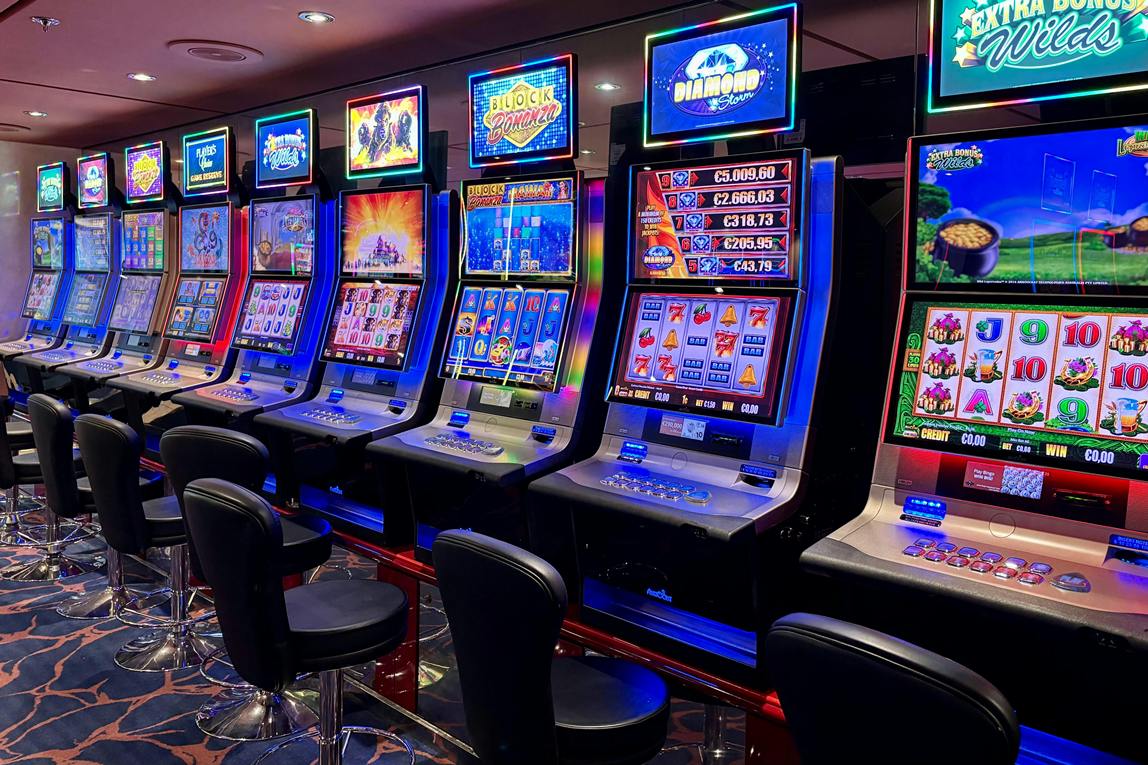
Here’s where we need to be honest about what gamification actually does, not just how it’s marketed.
The intended effect is straightforward: gamified features increase engagement, session length, and, eventually, spending. That’s not a conspiracy theory: it’s the stated business rationale. More time on platform equals more wagers equals more revenue. Gamification makes that equation more efficient.
Research into gamified gambling environments has found that community participation and social features can heighten a player’s sense of identity within the platform. When we feel like we “belong” to a casino community, when we have a level, a rank, achievements, leaving feels like giving something up. That psychological stickiness is the whole point.
But the effects aren’t uniform. Studies have found that for some players, particularly those who are already vulnerable to problem gambling or who experience social isolation, gamification features can amplify risky behavior. The social validation of leaderboards, the sunk-cost feeling of an almost-complete mission, the “just one more level” pull, these can push susceptible individuals past their intended limits.
Interestingly, some research suggests that active community participation in certain gambling contexts (like poker) can actually moderate spending, as players develop norms and self-regulate within the group. But this finding doesn’t translate cleanly to slots, where the social layer is thinner and the core mechanic, automated spinning, offers less opportunity for strategic self-regulation.
What we can say with confidence is that gamification doesn’t just make slots more entertaining. It changes the decision architecture around play. It introduces new motivations (completing a quest, climbing a leaderboard) that exist alongside, and sometimes override, rational assessments of how much we planned to spend.
For most players, this probably manifests as slightly longer sessions and modestly higher spending. For a smaller group, it can tip the balance into territory that’s genuinely harmful. Understanding that spectrum matters.
Responsible Gaming Considerations in a Gamified Environment
Gamification and responsible gaming exist in a genuinely uncomfortable tension. On one hand, some operators have started using gamification mechanics for responsible gaming, turning awareness and self-regulation into their own kind of game. Ontario’s OLG platform, for instance, has experimented with nudges and behavioral cues designed to encourage players to set limits, take breaks, and reflect on their play patterns.
On the other hand, the same mechanics that make responsible gaming tools more engaging are the ones driving the problem in the first place. There’s a legitimate critique that gamifying harm reduction, making it feel like a “feature”, risks trivializing it, or worse, using it as a marketing badge rather than a genuine safety layer.
We think the right approach is practical. Responsible gambling tools should be treated as non-negotiable infrastructure, not optional add-ons. That means:
- Deposit limits, loss limits, and session limits that are easy to set and hard to override in the moment
- Time-out and cool-off periods that actually interrupt play rather than just appearing as dismissable pop-ups
- Self-exclusion options that work across the platform, not just on individual games
- Reality checks and activity statements that provide honest data about our play history
If a casino is aggressive about VIP perks, leveling systems, and leaderboard prizes but vague about player protections, we should read that as a red flag. The two should be proportional.
A small habit that genuinely helps: decide exit points before we start playing. Stop if we lose 50% of the session budget. Stop if we double it. Simple, unemotional rules that exist outside the gamification loop.
We also need to acknowledge that gamification can blur the line between entertainment and compulsion. When we’re spinning not because we’re enjoying the game but because we need to finish a quest or maintain a streak, we’ve crossed a line. Recognizing that shift, and having the tools to act on it, is what responsible gaming in a gamified environment actually looks like.
For anyone who feels that their play has stopped being optional, Canadian resources like ConnexOntario, the Canadian Centre on Substance Use and Addiction, and provincial helplines offer confidential support. These aren’t theoretical, they exist because the risks are real.
The Role of Canadian Regulations in Shaping Gamified Slots
Canada doesn’t have a single, unified federal framework for online gambling. Regulation happens at the provincial level, which means the rules governing gamified slots, and the degree to which they’re scrutinized, vary depending on where we live.
In Ontario, the Alcohol and Gaming Commission of Ontario (AGCO) and its subsidiary iGaming Ontario oversee the private market. Operators must meet standards around responsible gambling, game fairness, identity verification (KYC), and advertising. But how those standards apply specifically to gamification features is still evolving. Leaderboards, leveling systems, and missions don’t fit neatly into traditional gambling regulation categories, they’re engagement features, not gambling products per se, even though they directly influence gambling behavior.
Other provinces, like British Columbia and Quebec, operate through government-run platforms (PlayNow, Espacejeux) where gamification tends to be more conservative. Provincial gaming corporations have less incentive to push engagement mechanics to the limit because they’re not competing for market share in the same way private operators are.
The broader regulatory tension is real: liberalizing markets to capture revenue from offshore operators while simultaneously protecting players from the very engagement tools that make regulated platforms competitive. It’s a balancing act, and regulators are still figuring it out.
What we can do as players is treat regulation like a safety layer, not a marketing badge. We want a casino that can clearly show who licenses it, how it handles complaints, and whether it follows modern standards for audits, KYC, and responsible gambling. Look for games tested by reputable labs, eCOGRA, iTech Labs, GLI, BMM, and verify that responsible gambling tools are prominent, not buried in a footer link.
As gamification features become more sophisticated, we should expect regulatory frameworks to evolve in response. There’s growing academic and policy attention to how these mechanics affect vulnerable populations, and it’s likely that specific rules around gamification in gambling will emerge in the next few years, particularly in Ontario, where the private market is most active.
What the Future of Gamified Slots Looks Like in Canada
The trajectory is clear: gamification in Canadian online slots is going to deepen, not retreat. Several trends point in that direction.
First, the convergence of gaming and gambling continues to accelerate. We’re already seeing hybrid products that blur the line between video games and slot machines, skill-based bonus rounds, narrative-driven progression, multiplayer features. As the demographic of online gamblers skews younger and more digitally native, demand for these experiences will only grow.
Second, data and personalization are becoming central to how gamified features are delivered. Instead of one-size-fits-all missions and leaderboards, platforms are moving toward individualized engagement, quests tailored to our play patterns, rewards calibrated to our activity level, and XP systems that adapt dynamically. This makes gamification more effective, but also raises new questions about manipulation and consent.
Third, research into the harms associated with gamified gambling is expanding. Studies on slot persistence, youth exposure to gambling-like mechanics in video games, and the long-term behavioral effects of gamblification are all gaining traction. This research will likely inform tighter regulations, particularly around features that disproportionately affect younger players or those at risk of problem gambling.
We also expect the conversation around responsible gamification to mature. Right now, most operators treat RG tools and gamification as separate systems, one drives engagement, the other manages risk. The smarter approach, and the one regulators will probably push toward, is integrating the two. Imagine a leveling system that rewards healthy play habits, or achievements tied to setting and maintaining deposit limits. It sounds idealistic, but it’s technically feasible and commercially defensible if regulations require it.
The wild card is regulatory speed. Canada’s provincial approach means some jurisdictions will adapt faster than others. Ontario is likely to lead, given the scale of its private market and the regulatory infrastructure already in place. Other provinces may follow, or they may take a wait-and-see approach.
What seems certain is that gamification isn’t a fad. It’s becoming a structural feature of how online slots are designed and delivered. The question isn’t whether it’ll continue, it’s whether the guardrails will keep pace.
Conclusion
Gamification in Canadian online slots has moved well past the novelty stage. It’s now a core part of how platforms compete, retain players, and differentiate themselves in an increasingly crowded market. The mechanics, leveling systems, missions, leaderboards, social features, are borrowed directly from video gaming, and they’re effective at what they’re designed to do: keep us engaged longer.
But effectiveness and safety aren’t the same thing. We think the conversation needs to stay grounded in what these features actually do to player behavior, not just how they’re marketed. Gamification makes slots more entertaining for many players. It also introduces new vectors for harm, particularly for those already vulnerable.
Our take: we should enjoy the features that genuinely enhance the experience while maintaining our own guardrails. Set budgets before we play. Use responsible gambling tools proactively, not reactively. Choose platforms that are transparent about licensing, game fairness, and player protection, and treat those as baseline requirements, not bonus features.
Canadian regulations are evolving, and we expect gamification-specific rules to emerge as the market matures. In the meantime, the best defense is informed play. Understanding how these mechanics work, and why they work, puts us in a much better position to enjoy gamified slots on our own terms.
See more about Canada Online Casinos:
- Free Spins vs Bonus Rounds in Slots: Key Differences Every Player Should Know
- Do You Have to Report Gambling Winnings to the CRA?
- Demo Slots vs. Real Money Slots in Canada: Which Should You Play?
- Classic vs Video Slots in Canada: Key Differences Every Player Should Know
- Canadian Slots Bonus Features Explained: What Every Player Should Know
- Canada Slots Free Spins Tips – How To Maximize Your Bonus Rounds
- The Complete Guide to Customer Support for Canadian Online Slots
- Can You Win Real Money Playing Slots in Canada?
- Can You Play Slots Online For Real Money In Canada? A Step-by-Step Guide To Legal, Safe Play
- Can I Play Online Casinos On My Phone In Canada? A Step-By-Step Guide To Playing Safely On iPhone And Android
- Top Rated Online Slot Casinos in Canada for Players
What should gamification in canadian online slots: how game mechanics are transforming the experience teach Canadian slot players?
gamification in canadian online slots: how game mechanics are transforming the experience should teach slot selection, RTP, volatility, bonus rules, bankroll planning, mobile play, cashier checks, and responsible gambling through practical decisions a player can use before depositing or spinning. The page should not only define the topic. It should show how the idea changes a real slot session in Canada. That means connecting the advice to casino choice, bonus rules, payment method, stake size, RTP, volatility, and cashout expectations.
players should turn the advice into a specific check before depositing, spinning, or requesting a withdrawal. That sentence should drive the structure because most slot mistakes come from treating a single feature as the whole decision. A good guide helps the reader pause, check the rules, and play within a planned budget.
The best tips are testable. A player should be able to open a casino account, inspect a paytable, read a bonus term, set a limit, or choose a payment method based on the page. Advice that cannot be used at the account screen is too vague.
How does this topic affect bankroll planning?
This topic affects bankroll planning because slot outcomes depend on stake size, volatility, session length, bonus status, and when the player decides to stop. A bankroll plan starts before the cashier. The player should decide the total session budget, the maximum stake per spin, whether a bonus will be accepted, and what balance triggers a withdrawal. Without those rules, advice can collapse during a losing streak or after a near miss.
Volatility matters because two slots with similar RTP can feel completely different. High-volatility games need lower stakes and more patience. Low-volatility games can stretch a session but usually deliver smaller wins. Matching volatility to budget is more useful than chasing a theme blindly.
The page should also explain that bankroll planning does not create an edge over the game. It protects entertainment value and reduces rushed decisions. That is the realistic promise of slot strategy.
How should bonuses be handled with this advice?
Bonuses should be handled by reading wagering, game weighting, max bet, expiry, cashout cap, and excluded-game rules before play starts. A bonus can improve a slot session only when the terms fit the player’s normal stakes and preferred games. If the guide discusses free spins, real-money play, fast payouts, mobile slots, or beginner tips, it should still point back to the same bonus checks.
Max bet is especially important. A player can accidentally void winnings by staking above the bonus limit. Game weighting matters too because not every slot contributes equally. The page should teach readers to check these details before spinning, not after a win.
No-wagering or low-wagering offers can fit players who value cashout simplicity. Larger match bonuses may fit longer sessions. The best choice depends on the player’s goal, not the headline number.
What should players check in the slot paytable?
Players should check RTP, volatility clues, symbol values, feature triggers, bonus rules, max win, bet range, and whether the game has special restrictions. The paytable is the shortest path from vague advice to informed play. It tells the player what can happen, how features trigger, and whether the stake range fits the bankroll. A player who skips the paytable is guessing at the most important part of the game.
RTP should be checked in the live casino because some games have multiple versions. Volatility may be stated directly or implied by feature structure and max win. Bonus rounds, jackpots, and buy features need extra caution when a casino bonus is active.
Paytable reading also protects mobile players. If the rules are hard to open or read on a phone, that is a weakness in the casino experience. The page should encourage readers to test rules before depositing.
Frequently Asked Questions About Gamification in Canadian Online Slots
What is gamification in Canadian online slots?
Gamification in Canadian online slots refers to the integration of video game-like mechanics—such as experience points (XP), leveling systems, missions, leaderboards, and achievement badges—into real-money slot platforms. Often called “gamblification,” these features go beyond cosmetics to fundamentally change how players engage, how long they play, and how the product holds attention.
How do missions and leaderboards in gamified slots affect player spending?
Missions give structure to open-ended play by assigning tasks like “spin 50 times on Game X,” while leaderboards introduce social competition that drives players to wager more to climb rankings. Together, they create new motivations beyond winning money—completing quests or outranking peers—which can subtly increase session length and spending, especially during slot tournaments.
Why are Canadian online casinos investing heavily in gamification features?
Ontario’s regulated iGaming market, with over 1.6 million active accounts and billions in wagers since its 2022 launch, created fierce competition among licensed operators. Gamification boosts player retention through habit loops—daily missions, streak rewards, and leveling milestones—making platforms stickier. It also appeals to younger, digitally native players who expect progression systems as standard.
What responsible gambling tools should a gamified Canadian online casino offer?
A legitimate Canada online casino should provide deposit, loss, and session limits that are easy to set and hard to override, plus time-out and cool-off periods, self-exclusion options, and honest reality checks with activity statements. If a casino aggressively promotes VIP perks and leveling systems but is vague about player protections, treat that as a red flag.
How do Canadian regulations address gamification in online slots?
Canada regulates gambling provincially, so rules vary. Ontario’s AGCO oversees the private market with standards for responsible gambling, game fairness, and KYC verification, but specific gamification regulations are still evolving. Government-run platforms in provinces like British Columbia and Quebec tend to use more conservative engagement mechanics. Gamification-specific rules are expected to emerge as the market matures.
Can gamification in slots blur the line between gaming and gambling for younger players?
Yes—research into “gamblification” shows that hybrid mechanics like XP systems, narrative progression, and skill-based bonus rounds closely mirror video game design, making slots feel familiar to younger, digitally native audiences. This raises concerns about normalizing gambling behavior, and growing academic attention to youth exposure is likely to inform tighter regulations in coming years, particularly in Ontario.