
Penny slots canada are real-money slots that accept a bet as low as one cent per active line, letting a Canadian player spin audited Canadian online casino slots at the smallest practical stake, stretch a small bankroll across a long session, and still win real, withdrawable cash. The cent is the per-line bet, not the per-spin cost. The full spin price equals the active line count multiplied by the bet level, so the stake is about how small each spin is, not how small the deposit is.
This guide defines penny slots by the per-spin stake rather than the deposit size, which separates it from the deposit-tier pages on this site. The minimum deposit casinos in Canada hub and the 5 dollar deposit casinos canada page answer how little you can fund an account with; this page answers how little you can bet on each spin once funded. Pair low-stake play with high-return titles from best payout slots in Canada and the variance read in slots volatility explained for Canadians.
We reviewed online casinos for Canadian players based on payout speed, bonus value, payment methods, platform usability, and overall trust.
The sites below stood out for stronger offers, smoother withdrawals, and a better real-money experience in 2026.





















Play responsibly. Bonus terms apply. Age restrictions depend on your province.
What are penny slots in Canada?
Penny slots canada are online slots whose minimum bet starts at one cent per active payline, so a Canadian player sets the smallest stake any real-money slot allows. The penny is the per-line bet only; the full spin cost is that cent times the active lines.
The term names a stake level, not a separate category of game. A penny slot is the same audited real-money slot a higher-stake player spins, simply set to its lowest per-line bet. Three values define the deal: the coin value, which can fall to CA$0.01; the active line count, often 10, 20, or 25; and the bet level multiplier the player chooses. Multiply the three and the result is the spin cost. A one-cent coin on a 25-line slot at bet level one costs CA$0.25 per spin, not one cent, which is the single most misread fact about the format.
The label persists from mechanical cabinets where a penny truly meant a one-cent wager on a single line. Modern slots keep the one-cent coin denomination but add multiple paylines and ways-to-win systems, so the realistic minimum spin on most titles sits closer to CA$0.10 to CA$0.25 once every line is active. A player who wants a literal one-cent spin reduces the active lines where the slot permits it. The point of the format is the low stake, which suits budget play across Canadian online casino slots, a theme the wider library covers in best online casino slots in Canada.
How much does a penny slot spin actually cost in Canada?
A penny slot spin in Canada costs the per-line bet times the active line count, so a one-cent line on a 20-line slot costs CA$0.20 per spin, not one cent. Reducing active lines or holding the coin value at its floor lowers the real spin cost.
The spin price follows one formula: coin value times lines times bet level. A CA$0.01 coin on 10 lines at bet level one costs CA$0.10; the same coin on 25 lines costs CA$0.25; raising the bet level to two doubles each figure again. The format markets itself on the one-cent coin, but the spin cost depends on every variable the player sets, not the coin alone. Reading the bet panel before the first spin reveals the real per-spin figure and prevents a budget meant for hundreds of spins from emptying in a few dozen.
Two worked figures fix the cost. At CA$0.10 per spin, a CA$10 balance funds 100 base spins before any wins. At CA$0.25 per spin, the same CA$10 funds 40 spins. The four-decision chain — coin value, line count, bet level, and slot choice — sets the spin cost, and a player targeting maximum play time keeps each at its lowest workable setting. The deposit that funds that balance is a separate question answered by the minimum deposit casinos in Canada hub, which covers the CA$1, CA$5, and CA$10 funding tiers.
How are penny slots different from minimum-deposit casinos in Canada?
Penny slots canada describe a per-spin stake, while minimum-deposit casinos describe how little money funds the account. A player can deposit CA$50 and still bet one cent a line, or deposit CA$5 and bet CA$1 a spin, so the two settings are independent.
The distinction is structural. The deposit floor is a banking setting the casino and payment rail control; the per-spin stake is a betting setting the player controls on each slot. The 5 dollar deposit casinos canada page answers how cheaply you can fund a bankroll, and the minimum deposit casinos in Canada hub covers every funding tier. This page answers a different question: once the money is in, how small can each spin be? The two combine — a small deposit and a penny stake together produce the longest budget session — but neither implies the other.
An example separates them cleanly. Player A deposits CA$5 and bets CA$0.50 a spin: a low deposit but not a penny stake, lasting ten spins. Player B deposits CA$50 and bets CA$0.10 a spin: a larger deposit at a penny stake, lasting 500 spins. The penny stake, not the deposit size, drives session length, which is why a budget player who wants long play optimises the per-spin cost first. The funding side of the equation belongs to the deposit pages; the stake side belongs here.
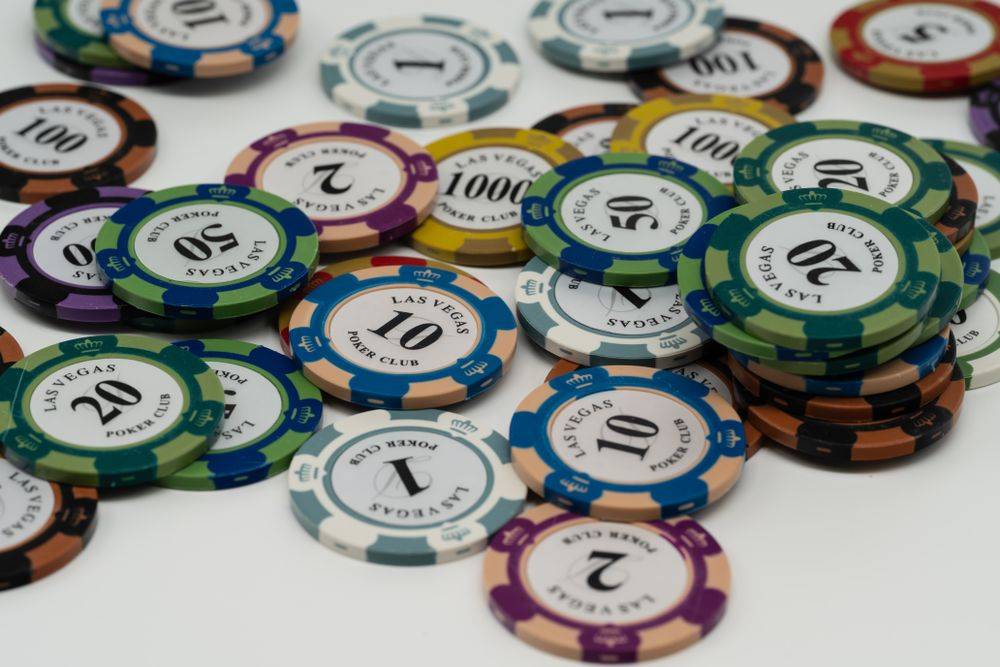
Why do penny slots suit budget and low-stake players in Canada?
Penny slots canada suit budget players because the low per-spin stake stretches a small bankroll across far more spins, turning a modest balance into a long session. At CA$0.10 a spin, CA$20 funds 200 base rounds, so the format maximises play time per dollar.
The appeal is play time per dollar. A low stake means each spin removes a tiny fraction of the balance, so the bankroll survives the natural variance of slots long enough to reach bonus rounds and free-spin features. Budget players value the session length over the size of any single win, and the penny stake delivers exactly that — a CA$20 balance that lasts an evening at CA$0.10 rather than minutes at CA$2.00. The format converts a small amount of money into the maximum number of decision points, which is the core of low-stake entertainment.
The maths rewards the small stake directly. At CA$0.10 per spin, CA$20 funds 200 base spins; at CA$0.20, it funds 100; at CA$1.00, just 20. Frequent small wins on a fair slot then refund part of the balance and push the effective spin count higher still. This is why penny play and bankroll discipline reinforce each other: the low stake gives the bankroll room, and a fixed budget keeps it from quietly creeping upward. The responsible-play framework that anchors this sits in slots responsible gambling tips in Canada.
Which RTP should you pick for penny slots in Canada?
For penny slots canada, pick a title with an RTP of 96% or higher, because the return rate decides how much of each low stake comes back on average. Penny slots typically run from 94% to 98% RTP, and a 97% slot erodes a small bankroll far slower than a 94% game.
RTP, or return to player, is the long-run percentage a slot pays back, and it governs how a low stake holds up over many spins. A 96% slot returns CA$0.96 per dollar wagered on average; a 92% slot returns CA$0.92. Across the hundreds of spins a penny bankroll buys, that four-point gap compounds into a meaningfully shorter or longer session. Budget play, which depends on spin count, therefore favours the highest RTP available, since the small stake gives the return rate many spins to express itself.
Concrete figures show the spread. Penny slots online generally range from 94% to 98% RTP, with progressive-jackpot titles often sitting lower to fund their top prize. A high-RTP pick such as a 97% to 99% slot recycles most of each stake, so a CA$20 balance at CA$0.10 can sustain well beyond its 200 base spins once small wins refund the balance. A 94% jackpot slot at the same stake burns faster but offers the rare large hit. The highest-return titles for Canadian players are ranked in best payout slots in Canada, with the full real-money field in real money slots in Canada.
Why pair penny slots with low volatility in Canada?
Pair penny slots canada with low-volatility titles because low variance pays smaller, more frequent wins that top up a small bankroll and keep the session alive. High-volatility slots pay rarely but large, draining a penny budget during long dry stretches before a hit.
Volatility measures how a slot distributes its returns over time. A low-volatility slot delivers many small wins, so a penny bankroll receives frequent partial refunds that extend the session smoothly. A high-volatility slot withholds returns for long stretches then pays a rare large multiplier, which a small balance often cannot survive long enough to reach. For the low-stake goal of maximum play time, low variance is the natural match, because it keeps the balance from emptying between hits.
The pairing is a deliberate choice, not a default. A budget player chasing session length picks a low-volatility, high-RTP slot so the frequent small wins and the high return rate together stretch the bankroll. A player accepting a shorter session for a shot at a large hit picks higher volatility and braces for the dry runs. Bankroll guidance reflects this: high-volatility play is commonly held to 200 to 300 times the bet size to weather the variance, a buffer a penny budget rarely has. The full variance breakdown sits in slots volatility explained for Canadians.
How do you manage a bankroll for penny slots in Canada?
Manage a penny-slots bankroll by setting a fixed session budget, capping the loss at 10% to 20% of it, and holding the stake at the slot minimum. A CA$50 bankroll with a CA$5 to CA$10 stop-loss and CA$0.10 spins funds a long, controlled session.
Bankroll management turns a small balance into a planned session. The first rule fixes the total: decide the bankroll before playing and treat it as a fixed entertainment cost, not a figure to top up on a loss. The second rule sets a stop: a session loss limit of 10% to 20% of the bankroll — CA$50 to CA$100 on a CA$500 roll — ends play before a bad run does real damage. The third rule sets the stake: holding spins at the minimum stretches the same money across more rounds, which is the whole point of penny play.
The figures make the plan concrete. On a CA$50 bankroll, a CA$0.10 stake funds 500 base spins, and a 15% stop-loss ends the session at CA$7.50 down, well before the balance is gone. Pairing that with a 96%-plus RTP slot means most of each stake returns on average, and the frequent small wins of a low-volatility title refill the balance between losses. The discipline, not luck, decides how long five-cent and ten-cent spins last. The deposit limits and self-exclusion tools that enforce the budget are detailed in slots responsible gambling tips in Canada.
Are penny slots real money or free in Canada?
Penny slots canada are real-money slots played at the lowest stake, but the same titles also run in free demo mode with virtual credits. Real-money penny play pays withdrawable cash from a one-cent-a-line bet, while demo mode teaches the slot at no cost and no reward.
The two modes share the game and differ on the money. In real-money mode, a penny stake is a genuine wager, so any win is withdrawable under the casino’s standard terms once it clears the withdrawal floor. In demo, or fun, mode, the slot loads virtual credits, so a player studies the paylines, bonus rounds, and variance without risking or winning anything. A smart sequence runs both: learn a slot free, then play it for real at the penny stake on a title already understood.
The contrast is the withdrawal. Demo winnings reset to the starting virtual balance and never leave the account, while a real-money penny win converts to cash above the withdrawal minimum. Budget players use the free demo to read a slot’s volatility before committing a single cent, then switch to real-money penny spins to monetise that read at minimal stake. This vetting habit protects the small bankroll from being spent learning a slot’s behaviour, and it pairs with the title rankings in best payout slots in Canada. Free-spin offers that add no-cost real-money rounds appear in free spins casinos canada.
How do free spins extend penny slots play in Canada?
Free spins extend penny slots canada play by adding rounds the bankroll did not buy, each played at a casino-set stake. A 50-free-spins offer at CA$0.10 a spin adds CA$5 of effective play at no cost, doubling a small session on a fair, high-RTP slot.
Free spins are extra penny rounds funded by the casino. The offer fixes the per-spin value, often near the slot minimum, and grants a set number of spins on a named title. For a budget player, the spins effectively top up the bankroll, since each one is a real chance to win without drawing on the deposited balance. The value depends on the spin count, the per-spin value, and the wagering and cashout terms attached, which decide how much of any win is actually withdrawable.
A worked figure shows the gain. A CA$5 deposit that unlocks 50 free spins worth CA$0.10 each adds CA$5 of play, matching the deposit itself, so the session can run twice as long before the real balance is touched. The catch sits in the terms: free-spin winnings often carry a wagering requirement and a cashout cap near CA$20 to CA$50, so the player reads both before counting the value. The full offer landscape, including no-deposit spins, sits in free spins casinos canada, and the matched-bonus comparison in best online casino slots in Canada.
Which payment methods suit penny slots play in Canada?
Interac e-Transfer suits penny slots canada play best, because it accepts low deposits, charges no currency conversion, and clears instantly, so the small bankroll that funds penny stakes is ready at once. Cryptocurrency and low-minimum e-wallets also fit the format.
The payment rail sets how cheaply the penny bankroll can be funded, since penny play depends on a small balance lasting many spins. Interac is built for the Canadian market: it moves Canadian dollars with no conversion fee that would erode a small balance, accepts low minimums, and clears instantly, which makes it the default rail for low-stake players. Cryptocurrency supports fractional deposits and fast withdrawals, and select e-wallets such as MuchBetter and Skrill accept low amounts. Cards and bank transfers frequently impose a higher minimum.
The rail also gates the exit. A penny win must clear the casino’s withdrawal floor, commonly CA$20, before it can leave the account, and Interac pays a cleared balance fast, usually within 24 hours and with no fee. A budget player therefore confirms the deposit minimum and the withdrawal rail before funding, so a small win is not trapped below the floor. The full rail comparison sits in casino payment methods in Canada.
How do you pick a safe penny slots casino in Canada?
Pick a safe penny slots casino in Canada by confirming a valid licence, audited RTP on the slots, a low deposit and stake floor, and a reachable withdrawal minimum. A licensed site with published RTP figures and Interac support protects a low-stake player best.
Safety rests on the licence first and the terms second. A regulated casino keeps player funds separate from operating money, submits its slots to independent RTP audits, and answers to a regulator that can act on a complaint, so even a one-cent stake sits under genuine oversight. An offshore site without a recognised licence may advertise penny slots while offering none of these protections — and an offshore operator is never automatically provincially licensed, so the actual licence it holds must be verified, not assumed. The headline stake alone never signals safety.
A short checklist makes the test concrete for low-stake play. Confirm the licence on the footer and the regulator’s register; check that the slots publish audited RTP figures; verify the deposit and stake floors are genuinely low on your chosen rail; and read the withdrawal minimum so a small penny win is reachable. A site that passes all four is safe to fund. The full vetting routine sits in how to choose safe online slots in Canada, and the licence detail in licensed online casinos in Canada.
Can you win real cash on penny slots in Canada?
You can win real, withdrawable cash on penny slots canada, because a one-cent-a-line bet is a genuine real-money wager paid under the casino’s standard terms. Wins scale to the small stake, but progressive-jackpot penny slots can still pay large prizes, subject to any qualifying-bet rule.
A penny stake is a real wager, so its wins are real money. The payout scales with the bet — a small stake usually returns small wins — but the slot’s maths, RTP, and bonus features behave identically to a high-stake spin on the same title. A penny player reaches the same bonus rounds, multipliers, and free-spin triggers as a high-roller, simply at a lower bet, which is what makes low-stake play genuine real-money gambling rather than a stripped-down tier.
Even progressive jackpots stay in reach, with one caveat. The jackpot slot is the same game a high-roller plays, and a penny spin can be a valid entry, so a budget player can technically win the prize. The caveat is that some progressives require the maximum bet to qualify for the top jackpot tier, which a penny stake does not meet, so the player reads the qualifying-bet rule first. The wins clear through the same withdrawal rails covered in casino payment methods in Canada, and the ranked operators appear in top rated online slot casinos in Canada.
How do you build a long penny slots session in Canada?
Build a long penny slots canada session by setting the stake at the slot minimum, picking a high-RTP, low-volatility title, claiming a free-spins offer, and capping the loss. A CA$0.10 stake on a 97% RTP slot with 50 free spins sustains hundreds of effective spins.
Four levers extend the session well beyond the raw spin count. The first is the stake — holding it at the minimum funds the most base spins from the balance. The second is the RTP — a 97% slot returns most of each stake, so winnings continually refund part of the balance. The third is volatility — a low-variance title pays frequent small wins that keep the balance topped up. The fourth is the bonus — a free-spins offer adds rounds the deposit did not buy. Stacked together, they turn a modest balance into a real session.
The combined maths is decisive. A CA$20 bankroll at CA$0.10 funds 200 base spins; a 97% RTP recycles most of each stake; a low-volatility title smooths the variance; and a 50-spin bonus adds CA$5 of free play. Together these can push the effective spin count well past 300 before the bankroll settles. The single most important lever is title selection, because RTP and volatility decide how long the balance survives, which is why the picks in best payout slots in Canada and the variance guide in slots volatility explained for Canadians matter most for low-stake play.
How do paylines change the cost of penny slots in Canada?
Paylines change the cost of penny slots canada because the spin price equals the per-line bet times the number of active lines. A one-cent bet on a 10-line slot costs CA$0.10, on a 25-line slot CA$0.25, and on a 50-line slot CA$0.50, so the line count, not the coin, sets the real stake.
The payline is the unit the bet multiplies across. A slot with fixed paylines forces every line active, so the minimum spin is the coin value times the full line count — a one-cent coin on 25 fixed lines is locked at CA$0.25. A slot with adjustable paylines lets the player reduce the active lines, dropping the same coin to CA$0.10 across 10 lines or lower, which is how a near-literal penny spin is reached on modern titles. The line structure therefore decides whether the one-cent coin produces a true penny stake or a quarter-dollar one.
Ways-to-win slots replace fixed lines with a different cost model. A 243-ways or 1,024-ways title charges a flat bet per spin rather than per line, so the minimum is a single set figure, often CA$0.20 to CA$0.25, that cannot be lowered by cutting lines. A budget player who wants the lowest possible spin checks whether the slot is line-based with adjustable lines, since those allow the deepest stake reduction, while ways-to-win titles fix the floor. The mechanics of the wider slot library that uses these models appear in best online casino slots in Canada.
What is the difference between penny slots and high-roller slots in Canada?
The difference between penny slots canada and high-roller slots is the bet size, not the game. The same title is a penny slot at CA$0.10 and a high-roller slot at CA$100, running the same RTP, features, and jackpots, so the stake the player sets defines the category, not a separate game.
The slot is one object played at two ends of a stake range. Every modern slot publishes a minimum and maximum bet, and the gap between them is wide — a single title often spans CA$0.10 to CA$100 per spin. A penny player sits at the bottom of that range and a high-roller at the top, but the reels, paytable, audited RTP, and bonus rounds are identical for both. This is why penny play is genuine real-money gambling: the budget player faces the same odds and the same upside per dollar staked as the high-roller, scaled to a smaller bet.
The practical gap is bankroll endurance, not access. A penny stake demands a small bankroll last across hundreds of spins, so title selection by RTP and volatility matters intensely; a high-roller absorbs large swings without the same pressure on each spin. Both reach the same progressive jackpot, though some progressives gate the top tier behind a maximum bet a penny stake cannot meet. The ranked operators that serve both ends of the stake range appear in top rated online slot casinos in Canada, and the high-stake tier in real money slots in Canada.
How does the house edge affect penny slots play in Canada?
The house edge on penny slots canada is the inverse of the RTP, so a 96% RTP slot carries a 4% house edge and a 99% slot a 1% edge. The edge applies to every dollar staked regardless of bet size, which means a penny stake faces the same percentage edge as a high-stake spin on the same title.
The house edge is the casino’s built-in margin, expressed as the share of each wager the casino keeps over the long run. A 96% RTP slot returns CA$0.96 per dollar and keeps CA$0.04 as the edge; a 97% slot keeps CA$0.03. The edge is a percentage, not a fixed amount, so it scales with the stake — a penny player and a high-roller both surrender the same 4% of their respective wagers. The figure that changes is the absolute cost, not the rate, which is why the low stake protects the bankroll in dollars while the percentage edge stays constant.
Choosing a low-edge slot is the player’s main lever over the long run. A 1% edge on a 99% RTP slot erodes a penny bankroll roughly four times slower than a 4% edge on a 96% one, across the many spins a low stake buys. The edge cannot be eliminated, since it is the casino’s structural margin, but selecting the highest-RTP title minimises it, which is exactly why low-stake play rewards careful title choice. The highest-return, lowest-edge slots for Canadian players are ranked in best payout slots in Canada.
Can you play penny slots on mobile in Canada?
Canadian players can play penny slots canada on mobile, because licensed casinos run the same slot library and the same one-cent-a-line stakes through a mobile browser or app. A CA$0.10 spin on a phone behaves identically to one on desktop, and Interac or e-wallet deposits clear the same way.
Mobile play does not change the stake floor or the slot maths. The casino serves the full catalogue from Pragmatic Play, NetEnt, and other studios through a responsive browser or a dedicated app, and each slot runs at the same audited RTP and the same minimum bet as on desktop. A penny stake set on a phone produces the identical CA$0.10 to CA$0.25 spin cost, and the bonus rounds, free-spin triggers, and jackpots are all reachable from the smaller screen. The format is fully mobile, not a desktop-only feature.
The convenience suits low-stake sessions well. A budget player funds a small bankroll through Interac on a phone, spins a high-RTP slot at the minimum stake during a short break, and withdraws any cleared balance through the same rail. Mobile e-wallets such as MuchBetter also support low deposits and fast payouts, which keeps the small bankroll moving. The deposit rails that carry low mobile payments are covered in casino payment methods in Canada.
What mistakes drain a penny slots bankroll fastest in Canada?
The fastest mistakes that drain a penny slots canada bankroll are raising the bet above the slot minimum, choosing a high-volatility title, and chasing losses with repeat deposits. A CA$1.00 spin empties a CA$20 balance in 20 rounds, and a high-variance slot can swallow it before a bonus round triggers.
Three errors account for most fast losses at the low-stake tier. Betting too high is the first: raising a CA$0.10 spin to CA$1.00 cuts a CA$20 bankroll from 200 spins to 20, removing any chance of riding out variance. Picking a high-volatility slot is the second: these titles pay rarely but large, so a small balance often empties during the long dry stretches between hits. Chasing a loss with a second and third deposit is the third and most costly, since it converts a planned low-stake session into a far larger spend without the discipline a fixed budget enforces.
Avoiding the three keeps penny play genuinely cheap. A player holds the stake at the slot minimum, picks a low-volatility, high-RTP title, and treats the first bankroll as the whole budget rather than the first of several top-ups. These habits turn a small balance into a real session and stop the low-stake plan from quietly becoming a large one. The volatility choice that underpins this is set out in slots volatility explained for Canadians, and the spend-tracking habit in slots responsible gambling tips in Canada.
How do you keep penny slots play responsible in Canada?
Keep penny slots canada play responsible by treating the bankroll as a fixed entertainment cost, setting deposit limits, and tracking cumulative monthly spend. The low stake limits a single spin, but many small spins and top-ups add up, so self-set caps matter even when each bet is only a few cents.
The low stake lowers per-spin risk but can hide cumulative spend. A player who reloads a small bankroll several times a month spends far more than any single deposit suggests, so responsible play tracks the running total rather than the latest top-up. Licensed Canadian casinos provide deposit-limit, loss-limit, cooling-off, and self-exclusion tools that cap the spend automatically, removing the in-the-moment decision that drives most overspend. The penny stake supports budget discipline only when the player counts every deposit, not just the current session.
Deposit limits make the discipline automatic. A player who caps monthly deposits at a chosen figure cannot reload past it even on a losing run, which converts good intentions into an enforced ceiling. Treating cleared winnings as a bonus rather than a target, and ending a session at a preset loss limit, keeps low-stake play genuinely low-cost over time. The full safer-play framework, including limits and self-exclusion, sits in slots responsible gambling tips in Canada.
Are penny slots a good way to learn slots in Canada?
Penny slots canada are a good way to learn slots, because the low stake lets a player study paylines, bonus rounds, and volatility with real money at minimal cost. A few cents a spin exposes the real mechanics that a free demo simulates, while risking only a small bankroll on the learning curve.
The low stake turns learning into a cheap, real experience. A player new to a slot reads its paytable, triggers its bonus features, and watches how often it pays, all at a one-cent-a-line bet that keeps the cost trivial. Real-money play teaches the variance a slot actually delivers, which a free demo can only approximate, so a penny stake bridges the gap between practice and committed play. The format suits a player who wants to understand a title before raising the stake, learning on real spins without a meaningful risk.
The sequence that works best pairs demo and penny play. A player studies a slot free to read its rules and features, then deposits a small bankroll and plays it at the penny stake to feel its real-money rhythm before deciding whether to raise the bet. This two-step routine protects the bankroll from being spent learning a slot’s behaviour and builds the title-selection judgement that low-stake play rewards. The highest-return titles to learn on are ranked in best payout slots in Canada, and the safe-site checks in how to choose safe online slots in Canada.
Do penny slots have progressive jackpots in Canada?
Penny slots canada can include progressive jackpots, where a small share of every bet across all players funds a growing top prize. A one-cent-a-line spin is a valid entry on many progressive titles, so a budget player can win the jackpot, though some games require the maximum bet for the top tier.
A progressive jackpot pools contributions from every spin into a single rising prize. Each wager, including a penny stake, adds a tiny fraction to the pool, and the prize grows until a player triggers it, then resets. Famous Canadian-popular progressives such as Mega Moolah have paid multi-million-dollar prizes from low base stakes, which is why budget players are drawn to the format — the entry is cheap and the upside is enormous. The base-game RTP of a progressive often sits lower than a standard slot, since part of the return funds the jackpot pool rather than regular wins.
The one caveat is the qualifying bet. Some progressives award the full top jackpot only on a maximum-bet spin, so a penny stake may qualify for a smaller jackpot tier but not the headline prize. A budget player reads the slot’s jackpot rules before spinning, since a title that gates the top prize behind a CA$2.00 bet does not suit a penny bankroll, while a title open to any stake does. The progressive options across the wider library appear in best online casino slots in Canada, with the highest-return non-jackpot titles in best payout slots in Canada.
How do you withdraw penny slots winnings in Canada?
You withdraw penny slots canada winnings once the balance clears the casino’s minimum withdrawal floor, commonly CA$20, and any bonus wagering completes. A penny win below the floor stays locked until further wins lift it past that figure, then Interac pays the cleared balance, usually within 24 hours and with no fee.
The withdrawal floor, not the stake size, gates the cashout. Because penny wins are small, a single win often sits below the casino’s CA$20 minimum withdrawal, so it must grow past that floor before it can leave the account. The player keeps spinning at the low stake until the balance clears the minimum, then requests a withdrawal through a low-fee rail. Any bonus attached to the bankroll must clear its wagering requirement first, or the linked winnings stay locked regardless of the balance size.
Interac is the preferred exit for low-stake winnings. It pays a cleared Canadian-dollar balance fast, usually within 24 hours, with no conversion fee that would erode a modest win, which matches the budget priority of keeping every cent. A player confirms the withdrawal minimum and the payout rail before depositing, so a small penny win is reachable rather than trapped below an unreachable floor. The rails that pay low-stake winnings cleanly are compared in casino payment methods in Canada.
Penny Slots Canada FAQ for Low-Stake Players
What is the minimum bet on penny slots in Canada?
The minimum bet on penny slots canada is one cent per active payline, but the real spin cost is that cent multiplied by the active line count and bet level. On a 20-line slot, a one-cent line means a CA$0.20 spin. Reducing active lines where the slot allows it lowers the per-spin cost toward a true penny stake.
Are penny slots the same as a 5 dollar deposit casino?
No. Penny slots describe the per-spin stake, while a 5 dollar deposit casino describes the deposit size. A player can deposit CA$50 and bet a penny a line, or deposit CA$5 and bet CA$1 a spin. The two settings are independent, so the penny stake controls session length and the deposit tier controls funding cost.
What RTP is good for penny slots in Canada?
An RTP of 96% or higher is good for penny slots, because the return rate decides how much of each low stake comes back on average. Penny slots typically run from 94% to 98% RTP, and a 97% slot erodes a small bankroll far slower than a 94% one. High RTP matters most at low stakes, where spin count drives the session.
How long does CA$20 last on penny slots?
CA$20 funds 200 base spins at CA$0.10 per spin or 100 spins at CA$0.20, before any wins are counted. A high-RTP, low-volatility slot returns frequent small wins that top up the balance and extend the session well beyond the base count, while a high-volatility title can exhaust the CA$20 faster between rare large hits.
Can you win real money on penny slots in Canada?
You can win real, withdrawable money on penny slots in Canada, because a one-cent-a-line bet is a genuine real-money wager. Wins scale to the small stake, but progressive-jackpot penny slots can still pay large prizes, subject to any maximum-bet rule. Winnings clear once they pass the casino’s withdrawal floor, commonly CA$20, often via Interac.
Are penny slots winnings taxable in Canada?
For recreational players, penny slots winnings are generally not taxable in Canada, because the Canada Revenue Agency treats casual gambling wins as windfalls rather than income. Professional gamblers face different treatment. Tracking deposits and withdrawals still supports clear records, even when low-stake amounts are small and the session budget is modest.
Start playing at the top Penny Slots Canada sites
Compare the Canadian online casino slots sites below, pick the one that matches your budget and preferred payment method, and start spinning real-money reels in minutes.
We reviewed online casinos for Canadian players based on payout speed, bonus value, payment methods, platform usability, and overall trust.
The sites below stood out for stronger offers, smoother withdrawals, and a better real-money experience in 2026.
Play responsibly. Bonus terms apply. Age restrictions depend on your province.